
AI Video Ads for Fashion Brands: Turn Photos Into Ads
How fashion brands turn product photos into AI video ads — workflow, use cases, testing framework, costs, and disclosure rules for Meta, TikTok, and YouTube.
October 7, 2026 · SetlesStudio Team
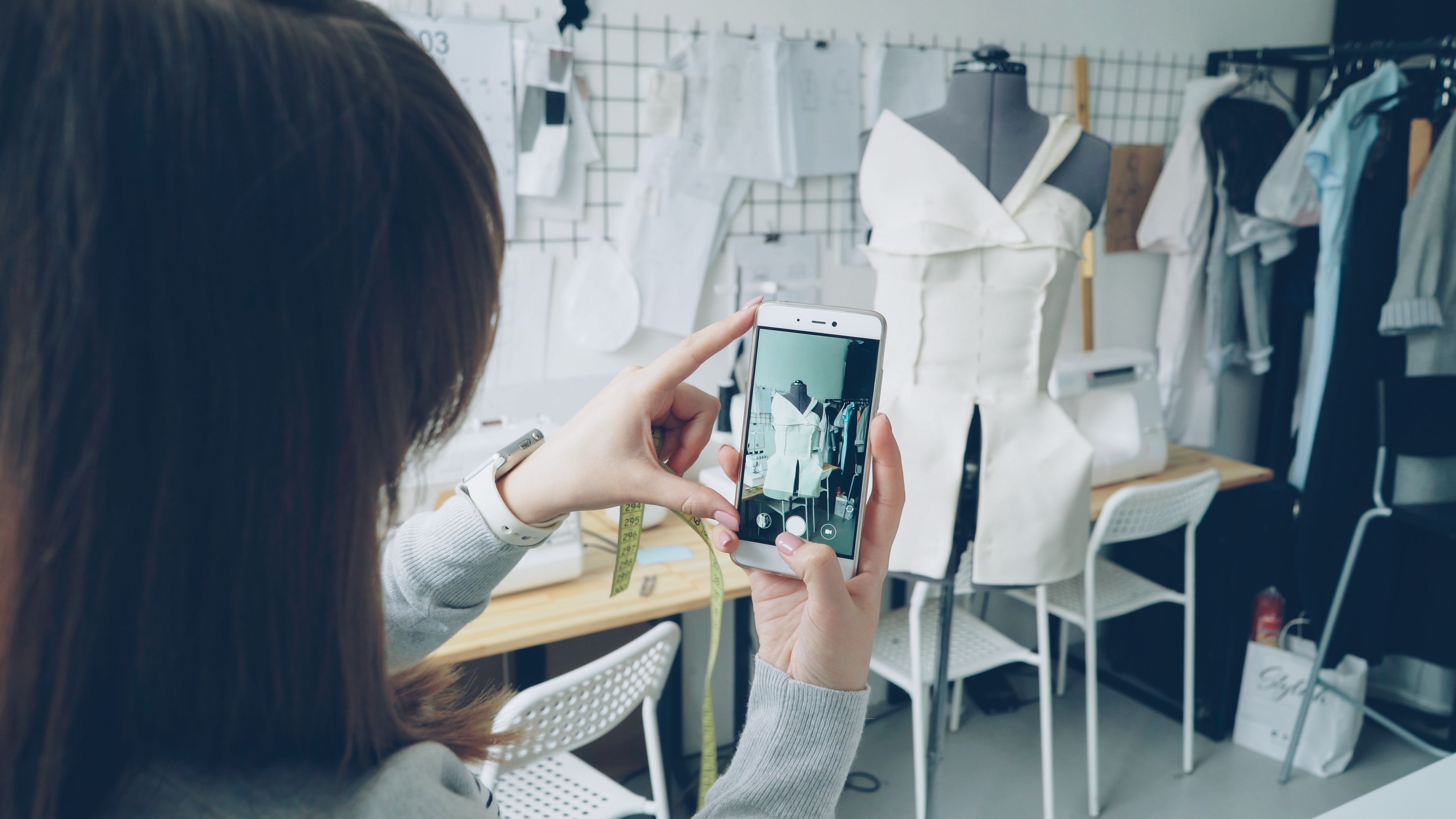
AI Video Ads for Fashion Brands: Turn Product Photos Into Ads That Convert
Fashion advertising has always had a production problem. A new drop needs a shoot; the shoot needs models, a location, a stylist, and a retoucher, and by the time the content is ready, the trend has moved. Then the ad account asks for ten more variations because the first creative has already gone stale.
AI video ads solve part of that problem. They let a clothing brand turn existing product images into motion, build several ad variations from one set of assets, and test ideas before committing to a full production budget.
At SetlesStudio, we work at the point where product photography, AI fashion imagery, and ad creative meet. This guide covers how fashion and e-commerce brands can use AI video ads properly: where they work, where they fall flat, and how to build a workflow that does not make your brand look like everyone else's.
What Are AI Video Ads for Fashion Brands?
AI video ads for fashion brands are short paid videos built with generative AI, usually starting from product photos, model images, or lifestyle visuals. Instead of filming every scene, the brand animates a still image, generates a background or scene, adds a voiceover, or creates new variations of an existing campaign.

For a fashion store, that typically means things like a dress image turned into a short clip with fabric movement, a flat lay animated into a "new arrival" teaser, or one campaign visual resized and re-edited into several hooks for Reels, TikTok, and Stories.
The video is only as good as the image underneath it. This is why AI video ads and AI fashion photography are really one workflow, not two separate topics.
Why Product Images Are the Real Foundation
Most weak AI fashion videos fail before the video tool is even opened. The source image is the problem.
If the garment is wrinkled, the colors are off, or the fit looks unnatural, animation makes it worse, not better. Motion exposes flaws that a still image hides. Distorted hands, warped patterns, melting seams, and shifting logos all become more obvious once something moves.
A strong source set usually includes:
- Clean, color accurate product photography on a neutral background
- Detail shots of fabric, stitching, trims and closures
- On model or ghost mannequin images that show true fit and drape
- AI lifestyle photography that places the product in a believable setting
Fashion buyers return items when the product looks different from the ad. An AI video that exaggerates texture, color or fit may get attention and still cost you in refunds. Treat the original product image as the reference, and reject any output that drifts from it.
How to Turn Product Photos Into AI Video Ads
Product photo to video is the most practical entry point for e-commerce brands, because you already own the assets. Here is a workflow that holds up in real campaigns.
Step 1: Choose the Hero Product and the Job of the Ad
One ad, one job. A new arrival teaser, a bestseller retargeting ad, and a seasonal promotion all need different pacing and copy. Start with the product and the buyer's hesitation, not the tool.
Step 2: Prepare the Source Images
Retouch wrinkles, correct color and check that logos, prints, and trims are accurate. Export in the highest quality available. For vertical placements, plan a 9:16 crop from the start so the garment is not cut off.
Step 3: Decide What Should Move
Not everything needs animation. Subtle motion often looks more expensive: a slow push in on a blazer, a light fabric sway on a skirt, a gentle camera drift across a flat lay. Heavy motion on complex garments is where artifacts show up.
Step 4: Build the Hook Before the Edit
The first two seconds decide whether anyone watches the rest. For fashion, strong hooks tend to be visual: a color reveal, a texture close-up, a quick outfit swap, or a before and after styling change. Write several hooks for one product and test them.
Step 5: Add Real Proof
A genuine customer review, a size chart overlay, a real fit video, or an unedited detail shot builds trust fast. Mixing AI generated visuals with real brand assets nearly always beats a fully synthetic video.
Step 6: Edit for the Platform
Add captions, tighten pacing, and cut anything that does not earn its second. Keep the product visible in the first frame, and put the offer or call to action where thumbs will not cover it.
How Fashion and Ecommerce Brands Can Use AI Video Ads
This is where AI video ads become a business tool rather than a novelty. Below are the main use cases, each with a realistic example.
Product Launches
A launch needs volume fast: teasers, reveal clips and platform-specific cuts. Instead of shooting multiple edits, a brand can build from one campaign image set. A swimwear label launching a new collection might animate its hero images into three short teasers with different hooks: the print, the fit, and the vacation scene.
Social Ads on Instagram Reels, TikTok and Stories
Social feeds reward variety. One garment can produce a close up fabric clip, a styled outfit clip, and a lifestyle scene clip. Each test has a different reason to buy: quality, versatility, or mood.
Seasonal Campaigns
Seasonal moments are short, and shoots are expensive. With AI lifestyle visuals, a brand can place a coat in an autumn street scene or a linen set in a summer setting without booking a location for each season. This works best when the garment itself stays faithful to your product photos and only the environment changes. If you want the campaign layer handled end to end, see how AI fashion campaigns are planned.
Retargeting
Someone who viewed a jacket but did not buy does not need the same ad again. Retargeting videos can show the product from a new angle, highlight fit and fabric, address sizing questions, or pair the item with other pieces in the collection. Creative that answers a specific hesitation usually serves retargeting better than another generic promotion.
Product Demos
Fashion product demos explain what a still image cannot: how a fabric moves, how a jacket layers, how a bag opens, how a dress changes with a belt. Short demo clips built from real product shots, with AI assisting on backgrounds and variations, can reduce guesswork for the buyer.
Creative Testing
This is arguably where AI changes the economics most. Rather than betting a full shoot on one concept, test hooks, scenes and formats first, then invest in a physical production only for the angles that prove themselves. For a broader view of how content production fits together, explore our guide to AI product and content creation.
Where AI Fashion Video Ads Work Best, and Where They Struggle
AI performs well on scenes, backgrounds, resizing, motion on simple garments, and variation. It struggles with intricate textures, sheer fabrics, complex prints, jewelry details, hands holding products, and exact fit on a body.
That gap matters. If fit and fabric are your selling points, lean on real model photography and use AI around it, not instead of it.
How to Test AI Video Ads for Fashion Brands
Cheap variation is only useful if you test it with discipline.
A Simple Testing Order
- Hooks first. Same product and body, different openings.
- Scenes next. Studio, street, home, travel.
- Angles after that. Style, quality, price, occasion, versatility.
- Formats last. Slow motion, quick cuts, outfit swap, detail focus.
Metrics Worth Watching
Hook rate shows whether the opening earns attention. Hold rate shows whether the middle keeps people watching. Click-through rate and cost per purchase show whether the ad sells. Do not judge from one metric. A curiosity click is not a purchase, and a cheap click that never converts is not a win.

Creative Fatigue in Fashion
Fashion ads tire fast, especially in paid social. Refreshing means changing the idea, not only the background. A new scene behind the same weak angle is still the same ad.
Are AI Fashion Video Ads Allowed? Disclosure, Likeness, and Accuracy
Major ad platforms have introduced rules and labels for AI-generated or altered content, and these changes are often. Check the current policy for Meta, TikTok, and YouTube before launching, and confirm what applies in your region.
For fashion brands, the practical risks are:
- Misrepresenting the product. If the ad shows a color, fit, or fabric the customer will not receive, expect complaints and returns and possibly regulatory attention.
- Fake customer content. Do not present a synthetic person as a real customer or a real review.
- Likeness and consent. If you use a real model's image or voice, get clear written permission, including how AI may be used.
- Internal records. Note which assets were AI generated, and have a person approve every ad before it runs.
How Much Do AI Video Ads Cost Compared to a Traditional Fashion Shoot?
A traditional campaign shoot includes models, stylists, studio or location costs, retouching, and video editing. AI shifts spending toward image preparation, creative direction, editing, and quality control, and away from repeated physical production.
The saving is real in many cases, but it is not zero effort. Someone still needs to review every output for accuracy. Pricing for tools and services varies widely, so compare based on your own volume and the number of variations you actually need.
7 Mistakes Fashion Brands Make With AI Video Ads
- Animating low-quality or inaccurate product images
- Letting the AI change the garment's color, print, or fit
- Generating dozens of videos with no testing plan
- Using synthetic models with no real proof or reviews
- Ignoring sound, captions, and pacing
- Making every ad look like the same generic template
- Skipping platform disclosure checks
Where to Start: Your First Fashion Video Ad Test
Pick one bestseller, one buyer hesitation, and one platform. Prepare a clean image set. Write five hooks. Build three short videos using different scenes. Run them against your strongest existing ad and compare hook rate, hold rate, and purchases before scaling anything.
If you want your product images, lifestyle visuals, and ad creative built as one connected system, SetlesStudio's work in AI fashion photography and AI fashion campaigns is a natural next step.
FAQ
Can you turn product photos into AI video ads?
Yes. Clean, accurate product photos can be animated into short video ads with subtle motion, new scenes, and added captions or voiceover. Results depend heavily on image quality, garment complexity, and careful review, because motion can expose distortions that a still image hides.
Are AI video ads effective for fashion brands?
They can be, particularly for testing and variation, but results depend on the hook, the product and how well the video matches reality. Test against your existing ads rather than assuming improvement.
Do I still need a photoshoot?
Often yes, at least once. Real product photography gives AI an accurate reference, and detail and fit shots are hard to replace. Many brands shoot once and build many ad variations from that set.
Do AI-generated fashion ads need to be disclosed?
It depends on the platform, region, and how realistic or altered the content is. Check each platform's current ad policy before running.
How many ad variations should I test?
Start small. A handful of hooks on one product is enough to learn what works, then expand based on results.
What is the difference between AI product photography and AI video ads?
AI product photography creates or enhances still images. AI video ads use those images, or new visuals, to build motion-based creative for paid placements. The first often feeds the second.
Read next
AI Fashion Fabric Texture: Why It Looks Fake and How to Actually Fix It
