
How AI Fashion Photography Cuts Ecommerce Content Costs
A cost breakdown of AI fashion photography vs traditional photoshoots — real per-SKU math, budget framework, and where a hybrid approach makes sense.
September 26, 2026 · SetlesStudio Team

Every e-commerce merchandiser eventually hits the same wall: the catalog grows faster than the photography budget. A new drop lands, twenty new SKUs need images across three angles and two models, and the studio calendar is already booked for next month. This is usually the point where teams start asking a version of the same question: what does AI fashion photography actually cost compared to what they're paying now, and is the quality good enough to risk it.
The answer depends heavily on catalog size, brand positioning, and how much of the current photography spend is hidden in places nobody is tracking closely. Here's how to work through it properly, with a framework you can apply to your own content production budget.
What a Traditional Fashion Photoshoot Actually Costs
Most cost comparisons online quote a single figure for "a photoshoot," which is misleading, because a shoot has several cost layers stacked on top of each other.
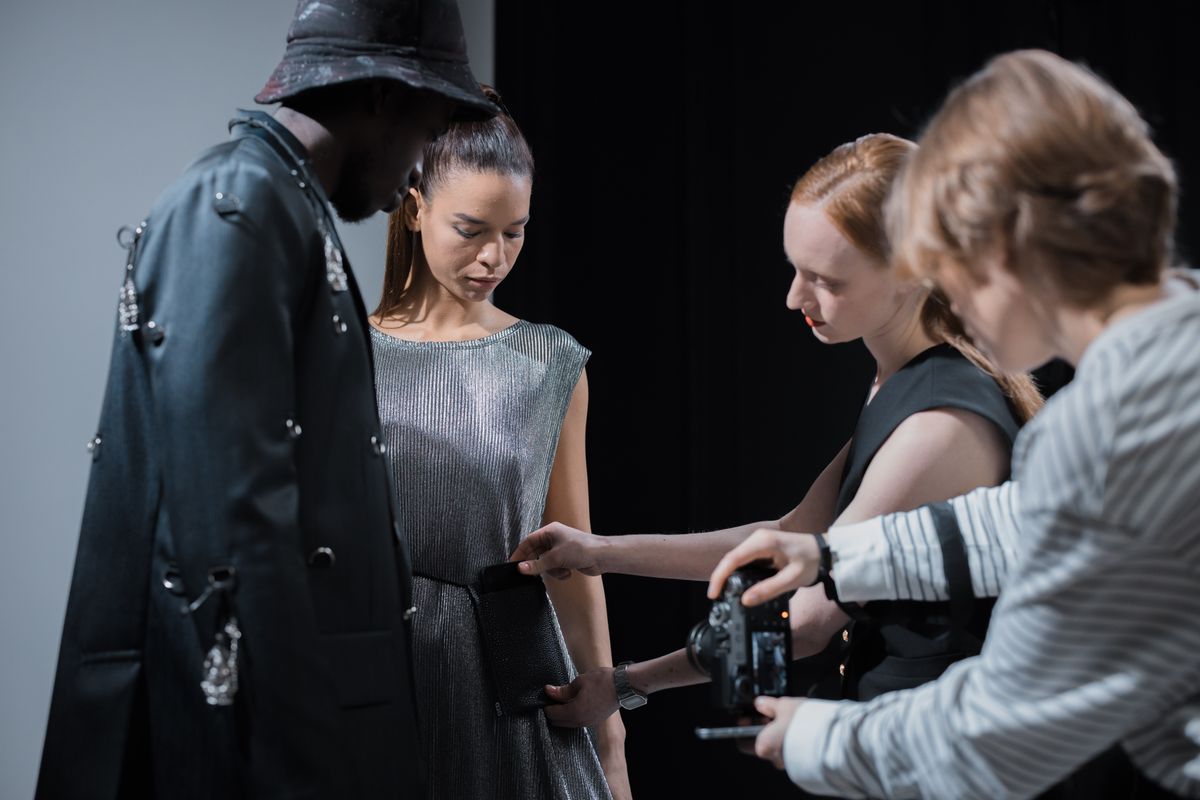
For a mid-sized e-commerce brand running an on-model shoot, the typical line items include:
- Studio rental, often several hundred dollars per day
- Model booking fees, ranging from a few hundred to a few thousand dollars per model depending on experience and usage rights
- Photographer and assistant day rates
- Hair and makeup
- Styling and garment steaming
- Post production and retouching, usually billed per image or per hour
- Travel and logistics if the shoot isn't local
Add it up, and a single day of shooting that produces images for maybe 15 to 25 SKUs can easily land in the low thousands once every line item is counted. Retouching alone, at scale, is often the quiet budget drain nobody accounts for upfront, because a batch of 200 images billed at a per-image retouching rate adds up fast even when the shoot itself felt affordable.
This fully loaded figure, not just the photographer's day rate, is the number worth comparing against AI fashion photography pricing.
What AI Fashion Photography Costs Instead
AI fashion photography tools generally price in one of three ways: per image credits, monthly subscription tiers based on volume, or custom enterprise pricing for large catalogs. Per image costs on most platforms tend to sit well below what a single retouched studio image costs once labor is factored in, and that gap typically widens as catalog size grows.
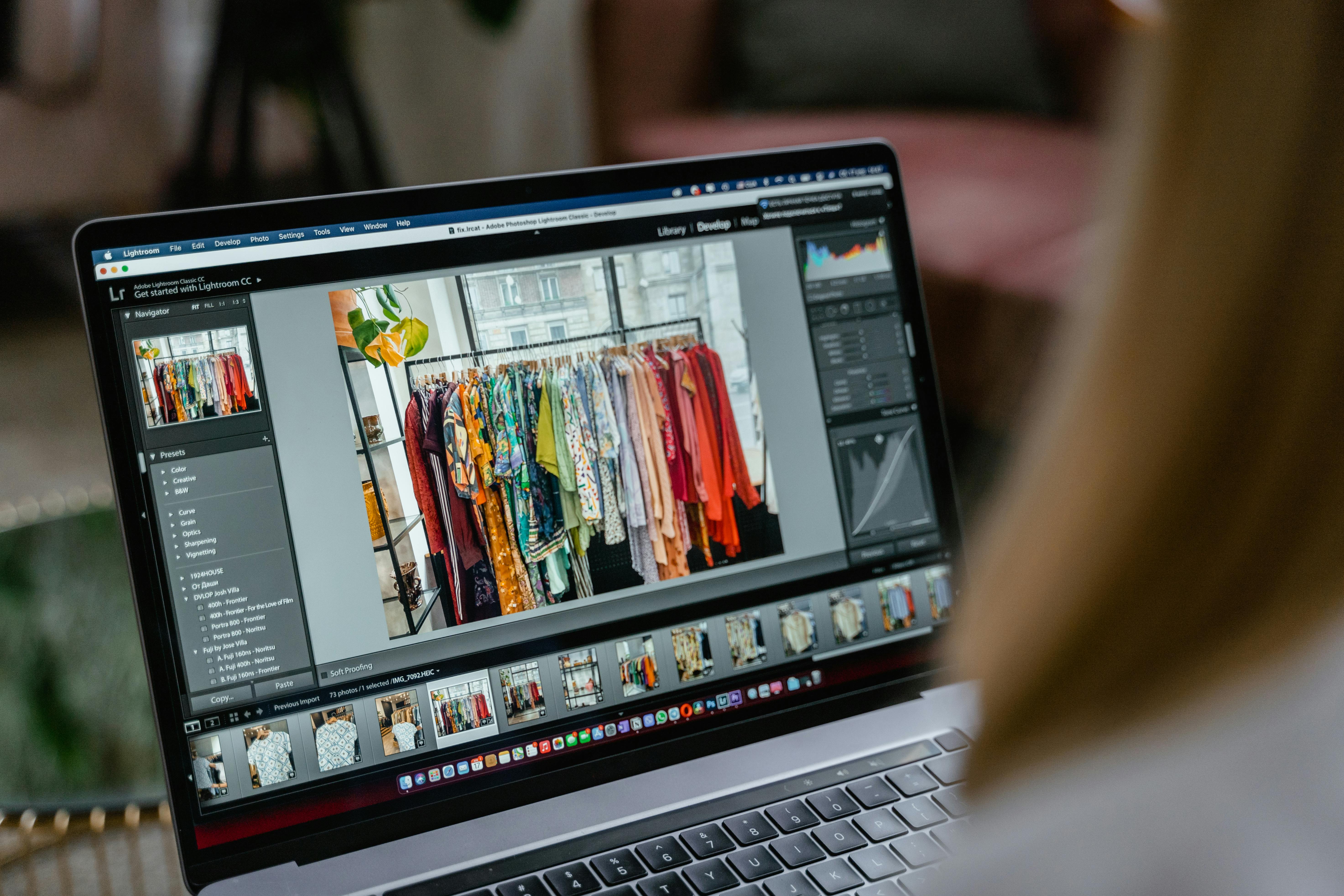
The bigger advantage isn't just the sticker price, though. It's what disappears entirely from the budget: no studio rental, no model booking, no travel, no reshoot costs when a garment doesn't fit the sample size correctly. A garment can go from flat lay to a finished on model image in minutes rather than being scheduled weeks out, which matters for brands running frequent drops or testing new product lines without committing to a full shoot.
Part of the price difference comes down to what's actually being paid for. A traditional shoot pays for coordinated human labor across several specialized roles on a single day. AI photography largely replaces that coordination with compute time and platform fees, which is why the cost structure looks so different even before overhead is counted on the traditional side.
There's a tradeoff worth naming honestly, too. AI tools generally still need decent input photography or flat lay images to work from, some platforms charge more for higher fidelity output or a wider range of model representation, and revisions on a generated image aren't always as flexible as directing a live model to adjust a pose. None of this erases the cost advantage, but it does mean the savings aren't purely automatic.
A Realistic Cost Per SKU Example
Comparing day rates or per image pricing in isolation misses the point. What matters for a merchandising team is cost per SKU, fully loaded, including retouching, editing, and any quality control work needed before an image is publish ready.
Here's a simplified example to show how the comparison plays out. The figures below are illustrative assumptions, not published industry averages, so treat them as a template to plug your own numbers into rather than a quote.
Traditional shoot, 100 SKUs
- A studio day realistically produces finished images for around 20 SKUs once styling changes, multiple angles, and retouching time are factored in
- Covering 100 SKUs takes roughly five shoot days
- Assume a combined day rate of 1,500 dollars covering studio rental, photographer, and a model, plus 15 dollars per image in retouching
- Rough total: (5 days times 1,500 dollars) plus (100 images times 15 dollars) equals 8,250 dollars, or about 82.50 dollars per SKU
AI fashion photography, 100 SKUs
- Assume a platform charging 2 dollars per generated image at this volume
- Add a light editing and quality control pass, since generated images still need a human check for color accuracy, garment fit, and any visual artifacts before they go live. Budget roughly 3 dollars per image for this step, whether it's staff time or an outsourced retoucher
- Rough total: 100 images times (2 dollars plus 3 dollars) equals 500 dollars, or 5 dollars per SKU
Under these assumptions, the AI workflow comes out meaningfully cheaper per SKU, even after including editing and quality control as a real line item rather than treating AI output as instantly publish ready. Your own numbers will differ based on your market, your photographer's rates, and the platform you choose, so the value of this exercise is the structure, not the specific dollar figures. Pull your last quarter's photography spend, divide it by finished SKU images produced, and compare that against a quoted AI platform price at the same volume, including whatever editing or review step you'd realistically need to add.
Smaller brands with modest catalogs sometimes see less dramatic savings, particularly if they were already running lean, low cost local shoots. AI photography tends to show its strongest return for brands producing high volume, frequently changing catalogs, not necessarily for a boutique label shooting a dozen pieces a season with a photographer they already trust.
The Trust Question Nobody Skips
Cost savings mean little if customers stop trusting the product images. This is one of the more common objections merchandising teams raise, and it's a fair one.
Early AI generated fashion imagery earned a reputation for uncanny hands, odd fabric draping, and lighting that didn't quite match the rest of a page. That reputation is increasingly outdated on the stronger platforms available now, though buyer perception hasn't necessarily caught up to the technology yet. Some brands have addressed the gap by disclosing when imagery is AI generated, treating it as a transparency signal rather than something to hide. Where this has been tried, it appears that shoppers tend to care less about the generation method than about whether the garment looks accurate to what actually arrives at their door, though this is more of an emerging pattern than a settled fact, and results likely vary by category and audience.
That accuracy point is the real risk, not the AI label itself. If a generated image misrepresents fit, color, or drape, return rates are likely to climb regardless of how the image was produced. This is where a hybrid approach earns its keep: use AI generated imagery for volume and speed, but validate against a small batch of real product photography to confirm color accuracy and fit representation before scaling a garment across the full catalog.
Where a Hybrid Model Makes Sense
Very few brands need to go fully AI or fully traditional. The more pragmatic path treats the two as complementary tools rather than competitors.
Hero images, campaign imagery, and anything tied directly to brand storytelling often still benefit from real photography, real styling, and a photographer with a point of view. Catalog imagery, size variant shots, and secondary angles, the volume heavy, repetitive work that drains budget without adding much brand differentiation, is exactly where AI fashion photography earns its keep.
This split also resolves the trust concern fairly naturally. Customers still see real, human directed imagery representing the brand's identity in the moments that count most, while the operational backbone of the catalog runs faster and cheaper behind the scenes.
Turnaround Time Is a Cost Too, Even If It's Not on the Invoice
Budget conversations tend to focus on dollars per image, but time is a cost that rarely gets its own line item. A traditional shoot involves scheduling models, booking a studio, and waiting on retouching turnaround, which can stretch a single product launch's photography timeline to weeks.

AI generated imagery compresses that timeline considerably, often to days for a full batch once editing and quality control are included. For brands running seasonal drops or reacting to trend cycles, that speed carries real financial value even if it never appears as its own line on a spreadsheet. A product that sits unlisted for two extra weeks because photography wasn't ready is a product that isn't generating revenue, and that opportunity cost is easy to overlook when comparing quotes side by side.
Calculating Whether This Makes Sense for Your Catalog
Before committing budget either direction, it's worth running the numbers against your own catalog rather than leaning on industry averages. Take last quarter's photography spend, break it into studio costs, model fees, retouching, and any reshoots caused by fit or lighting issues, then divide by the number of finished SKU images produced. That's the real, fully loaded cost per SKU today.
Compare that against a few AI fashion photography platforms' published or quoted pricing at the expected monthly volume, factoring in the editing and quality control time a team would realistically need, plus any onboarding time to adjust to a new workflow. For most mid to large catalog brands, the math tends to favor at least a partial shift. For smaller, brand forward catalogs, the savings may be more modest, and the decision becomes more about speed and flexibility than pure cost.
The Real Cost Comparison, in Practice
AI fashion photography isn't a universal replacement for traditional photography, and treating it that way sets up brands for a rocky transition. What it reliably does is remove much of the fixed overhead, studio time, model booking, and scheduling bottlenecks, that make scaling a growing catalog expensive and slow. For brands producing high SKU volumes on tight timelines, the potential cost reduction is substantial and tends to compound as the catalog grows. For smaller, story driven brands, it's a tool worth testing on the repetitive, high volume parts of the catalog while keeping human directed photography where brand identity matters most.
The brands most likely to get real value from this shift aren't the ones asking whether AI photography is cheaper in the abstract. They're the ones who run their own cost per SKU numbers, including editing and quality control time, test a hybrid workflow on a small batch, and let their own catalog data make the decision.
Frequently Asked Questions
Is AI fashion photography actually cheaper than hiring a photographer?
For most brands producing photography at volume, it typically comes out cheaper once studio rental, model fees, retouching labor, and AI editing or quality control time are all factored into the comparison rather than just a photographer's day rate. The size of the gap depends on catalog volume, platform pricing, and how much editing each generated image needs.
How much does AI product photography cost per image?
Pricing varies by platform and usually follows one of two structures: per image credits or monthly subscription tiers tied to volume. Either way, the raw generation cost tends to land below the fully loaded cost of a retouched studio image, though a realistic comparison should also include the time spent reviewing and editing generated images before publishing.
Can AI fashion photos hurt conversion rates if customers notice?
Not inherently, based on the patterns brands have reported so far. The generation method itself seems to matter less than accuracy. Images that misrepresent color, fit, or fabric texture are likely to drive returns and erode trust regardless of how they were produced, so the priority should be validating accuracy rather than hiding the technology.
Do you still need real models for ecommerce photography?
Many brands keep real photography for hero and campaign imagery, where brand storytelling matters most, while shifting high volume catalog images, like secondary angles and size variants, to AI. This hybrid split tends to balance brand identity with production efficiency better than an all or nothing approach.
Is AI generated fashion photography legal to use for selling products?
Generally speaking, using AI generated product imagery is not prohibited in most markets, but the specifics depend on jurisdiction, the platform's terms of service, and how the imagery is used, particularly around model likeness rights and any local advertising disclosure requirements. Rules in this area are also evolving as regulators respond to AI generated content more broadly. This isn't legal advice, and brands operating in regulated markets or using AI generated people in ways that could resemble real individuals should confirm current requirements with legal counsel before scaling a campaign.
How long does it take to produce photos with AI versus a studio shoot?
A studio shoot typically takes weeks from initial booking to final delivery once scheduling, shooting, and retouching are all accounted for. AI generated imagery can often be produced in days for the same volume of SKUs, including editing and quality control time, which matters most for brands working on tight launch timelines.
How do I know if my brand is a good fit for AI fashion photography?
Catalog size and update frequency are the best early indicators. Brands producing a high volume of SKUs on a recurring basis tend to see the clearest cost and time savings, while smaller, low turnover catalogs may see more modest gains and should weigh speed and flexibility alongside pure cost before making the switch.
Read next
AI Fashion Photography vs Traditional Photoshoot: Which One Actually Fits Your Brand?
